Close Menu
LEARN
Knowledge Library
Learn by Sport
Mountaineering
Alpinism
Ice Climbing
Rock Climbing
Skiing
Trail Running
Aerobic Training
Strength Training
Female Athlete
Mental Training
Recovery
Nutrition
Tactical Training
Uphill Athlete Books
The Uphill Athlete Podcast
Uphill Athlete TV
Athlete Stories
FAQ
TRAIN
Personal Coaching
Nutrition Coaching
Training Memberships
Training Plans
Training Plans Decision Tree
Alpinism
Ice & Mixed Climbing
Trail Running
Mountaineering
Ski Mountaineering
SkiMo Racing
Rock Climbing
Consultations
Talk to a Coach
Talk to a Physical Therapist
Talk to a Registered Dietitian
I need help deciding
CONNECT
Meet the Team
Our Partners
Adventure Consultants
Alpine Ascents International
ALPSinsight
Atomic
Chamonix Experience
Furtenbach Adventures
Mountain Trip
Skyward Mountaineering
TrainingPeaks
Utah Skimo
Forum
Shop
Contact Us
My Account
Facebook
Instagram
YouTube
Facebook
Instagram
YouTube
X (Twitter)
LinkedIn
SUBSCRIBE TO THE UPHILL ATHLETE NEWSLETTER
0
Shopping Cart
Login
| MY ACCOUNT
LEARN
Knowledge Library
Learn by Sport
Mountaineering
Alpinism
Ice Climbing
Rock Climbing
Skiing
Trail Running
Aerobic Training
Strength Training
Female Athlete
Mental Training
Recovery
Nutrition
Tactical Training
Uphill Athlete Books
The Uphill Athlete Podcast
Uphill Athlete TV
Athlete Stories
FAQ
TRAIN
Personal Coaching
Nutrition Coaching
Training Memberships
Training Plans
Training Plans Decision Tree
Alpinism
Ice & Mixed Climbing
Trail Running
Mountaineering
Ski Mountaineering
SkiMo Racing
Rock Climbing
Consultations
Talk to a Coach
Talk to a Physical Therapist
Talk to a Registered Dietitian
I need help deciding
CONNECT
Meet the Team
Our Partners
Adventure Consultants
Alpine Ascents International
ALPSinsight
Atomic
Chamonix Experience
Furtenbach Adventures
Mountain Trip
Skyward Mountaineering
TrainingPeaks
Utah Skimo
Forum
Shop
Contact Us
My Account
Back to the basics.
Our core training articles are packed with time-tested principles of endurance training. developed to get you moving consistently and purposefully.
Start here
How to Climb the Eiger North Face
How to Train for Trail Running
Strength Training for the Mountain Athlete
How to Recover From
Overtraining
Training for Mountaineering
Aerobic Self-Assessment for Mountain Athletes
Training for the Female Uphill Athlete
Training for Ice and Mixed Climbing
LEARN by sport
Training is Consistently executed,
Modulated in duration and intensity,
and Individual to you.
mountaineering
Aerobic
strength
Mountain Running
alpinism
Ice climbing
rock climbing
female athlete
find inspiration
Recent athlete stories
Read All
Endurance Training in Unconventional Places
A 17-Year-Old Mt. Aconcagua Summit Dream Comes True
Summiting Denali and Aiming Everest Using Uphill Athlete’s Training Philosophy
Enjoying Mt. Aconcagua Climb With Greater Fitness
5 Principles I Learned from Uphill Athlete to go from Zero to Summit
Three Peaks in the Winds
A Promising First Climbing Trip to the Alaska Range
A Long-Postponed Return to the Alpine
ATHLETES AROUND THE WORLD HAVE SENT IN THEIR STORIES TO INSPIRE AND EDUCATE. WANT TO SHARE YOURS?
submit my story
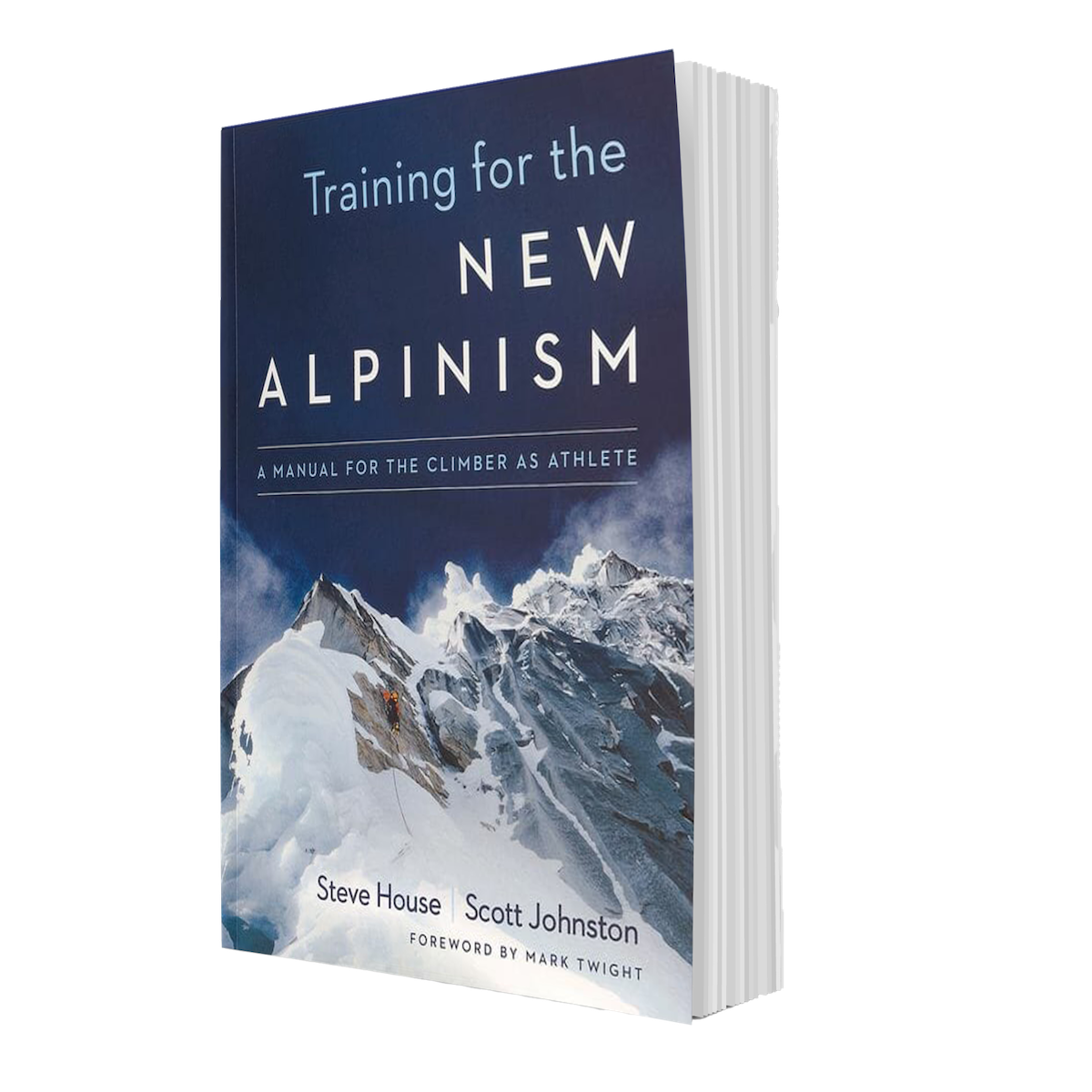
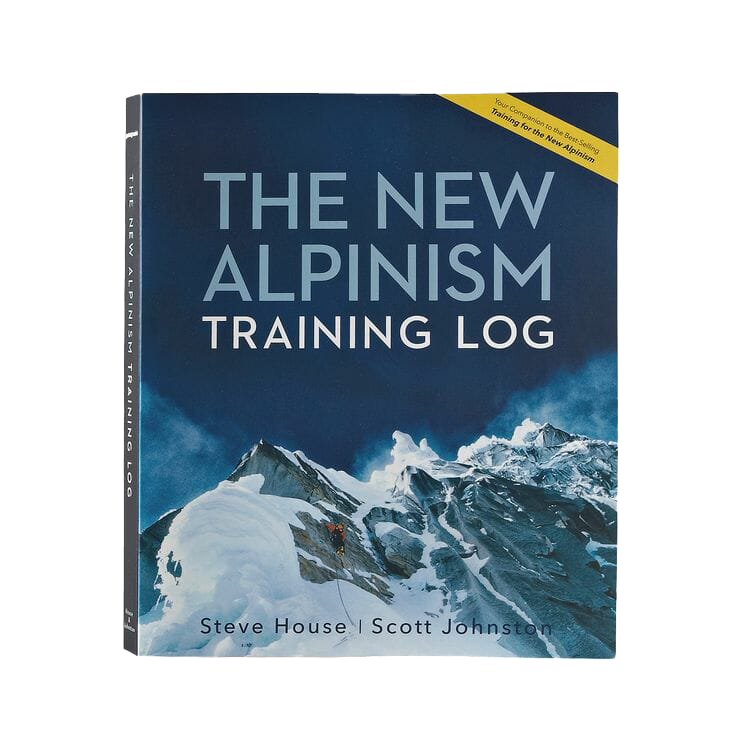
We wrote the BOOKS.
uphill athlete podcast
LISTEN
UPHILL ATHLETE
TV
Watch
Submit
Type above and press
Enter
to search. Press
Esc
to cancel.
Sign In or Register
Welcome Back!
Login to your account below.
Log In